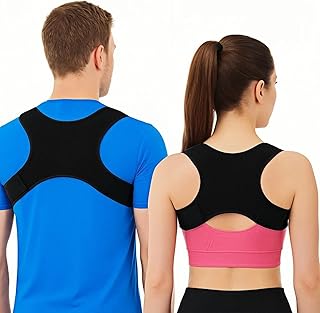
In today's digital age, where hours are spent hunched over computers and smartphones, poor posture has become a widespread issue. The consequences extend beyond aesthetics, leading to chronic neck, shoulder, and upper back pain. This is where a posture corrector becomes an invaluable tool. These supportive devices are designed to gently pull your shoulders back, align your spine, and retrain your muscles to maintain a healthier, more upright position.
What is a Posture Corrector and How Does It Work?
A posture corrector is a wearable brace, typically made from breathable, adjustable materials, that provides external support to your upper back and shoulders. It works by offering tactile feedback—when you start to slouch, the brace gently tightens or becomes more noticeable, reminding you to straighten up. Over time, this consistent reinforcement helps strengthen the often-neglected muscles responsible for good posture, such as the rhomboids and trapezius. The goal is not to create a permanent dependency on the brace but to use it as a training aid to develop better postural habits naturally.
Key Benefits of Using a Posture Brace
The primary benefit is, of course, posture improvement. By countering the forward head posture and rounded shoulders common in desk workers, these devices can make you appear taller and more confident. More importantly, they offer significant pain relief. Many users report a reduction in tension headaches, neck pain relief, and shoulder pain relief as their spine moves into a more neutral, less strained alignment. For those with specific conditions like mild scoliosis or kyphosis (hunchback), a corrector can provide crucial thoracic support and aid in hunchback correction.
Types of Posture Correctors: Finding Your Fit
There is a wide variety of posture correctors available, each with unique features. Understanding the differences is key to choosing the right one.
Upper Back Braces & Shoulder Straighteners
These are the most common type, focusing on the upper back and shoulder girdle. Products like the HLOES Posture Corrector and the KNXWALT Posture Corrector feature an adjustable shoulder straightener design. They are typically lightweight and target slouching correction by pulling the shoulders back. For a comprehensive review of how these models perform, you can check out the HLOES Posture Corrector Review and the KNXWALT Posture Corrector Review.
Full Back Support Braces
For those needing more extensive support, full back braces offer lumbar support in addition to upper back correction. The Back Brace Posture Corrector (Upgraded Breathable Full Back Support) and the Kepwaa Posture Corrector are excellent examples. They are ideal for individuals experiencing pain in both the upper and lower back. The Kepwaa model is also notable for being FSA HSA Eligible, which can be a significant financial benefit.
Discreet and Invisible Designs
If you plan to wear your corrector under clothing at work or socially, discretion is key. The Vaunn® Back Correction Belt and the Fit Geno Posture Corrector Invisilite are specifically marketed as being invisible under clothes. These comfortable posture aid options use thin, flexible materials to provide support without bulk. For more insights on these discreet models, the Fit Geno Posture Corrector Invisilite Review is a helpful resource.
How to Choose the Best Posture Corrector for You
Selecting the right device involves considering several factors. First, identify your primary need: is it general slouching, upper back pain, or do you require full back support? Adjustability is crucial for a comfortable, effective fit; look for models with multiple strap points like the UltraSupport+ Posture Corrector. Breathability is another important feature, especially for all-day wear. Mesh panels, as found in many modern braces, prevent overheating. Finally, consider sizing carefully. Many brands, like Fit Geno and WNIEYO, offer specific size charts based on chest or under-bust measurements. Reading detailed guides like the Posture Corrector Usage Guide can provide further clarity on proper selection and use.
Integrating a Posture Corrector into Your Routine
It's essential to use a posture corrector correctly to avoid muscle weakness. Start by wearing it for just 20-30 minutes a day, gradually increasing the duration as your muscles adapt. It should feel supportive, not restrictive or painful. Combine its use with strengthening exercises for your back, core, and rear shoulder muscles. Stretching the chest and front shoulder muscles is equally important to counteract tightness. Remember, the device is a tool for posture correction, not a cure-all. For a holistic approach to fixing your posture, explore resources like the Posture Corrector Guide on Fixing Hunchback Naturally.
Whether you're seeking back pain relief from long workdays or aiming to correct a persistent slouch, a high-quality posture corrector can be a transformative investment in your health & wellness. By providing the gentle, consistent reminder your body needs, it paves the way for lasting improvements in how you sit, stand, and move.